


The Lusitage Method
Engineering homes around human wellbeing.
Combining biophilic design, evidence-informed research and environmental psychology to create healthier, higher-performing living environments.
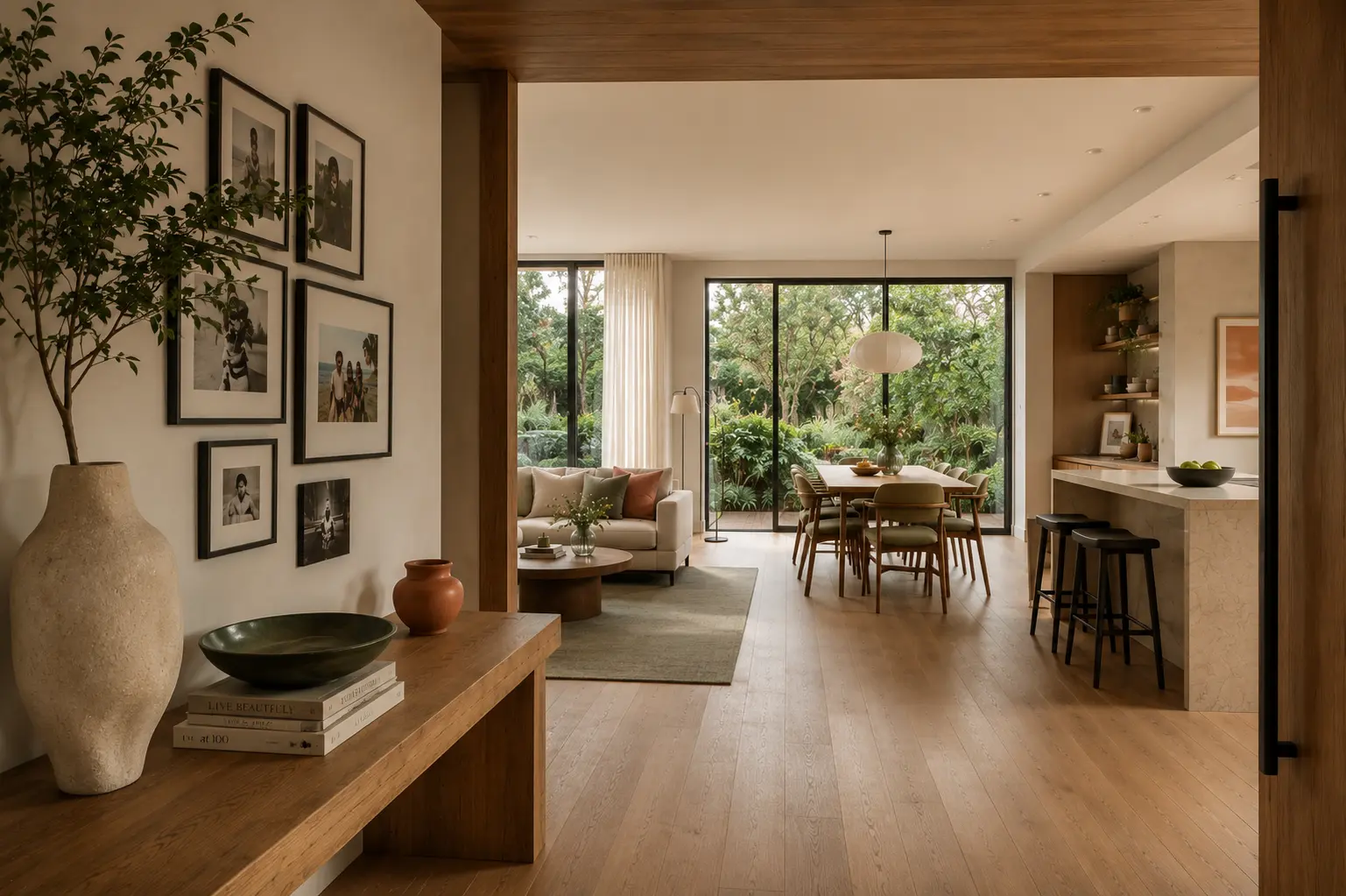
Most homes are designed to be seen. The Lusitage Method is designed to be lived in.
Every day, your home influences how you sleep, think, recover, focus and connect with the people around you. Light, materials, layout, sensory conditions and our relationship with nature quietly shape our physical and mental wellbeing, often without us realising it.
The Lusitage Method brings these environmental factors together into one evidence-informed framework, helping create homes that actively support healthier, calmer and more restorative ways of living.
Rather than following trends or prescribing a particular style, every recommendation is tailored to the way you live and the outcomes you want your home to achieve.
How you wake | How you focus | How you connect | How you recover | How you experience your environment | How you rest
Why the Method Exists
Our surroundings are far more than a backdrop to everyday life.
Research across environmental psychology, neuroscience and biophilic design suggests that the spaces we inhabit can influence stress levels, mood, attention, sleep quality and cognitive performance. While no single design solution can guarantee a particular outcome, thoughtful environmental decisions can help create conditions that better support health and wellbeing.
Despite this, many homes are still designed primarily around appearance, with little consideration given to how the environment functions for the people living within it.
The Lusitage Method was developed to bridge that gap.
It provides a structured process for understanding how your home performs as a living environment before creating practical recommendations that improve the relationship between your space and your daily life.
The four foundations
Biophilic Design
Strengthening the connection between people and nature.
Explore Foundation →
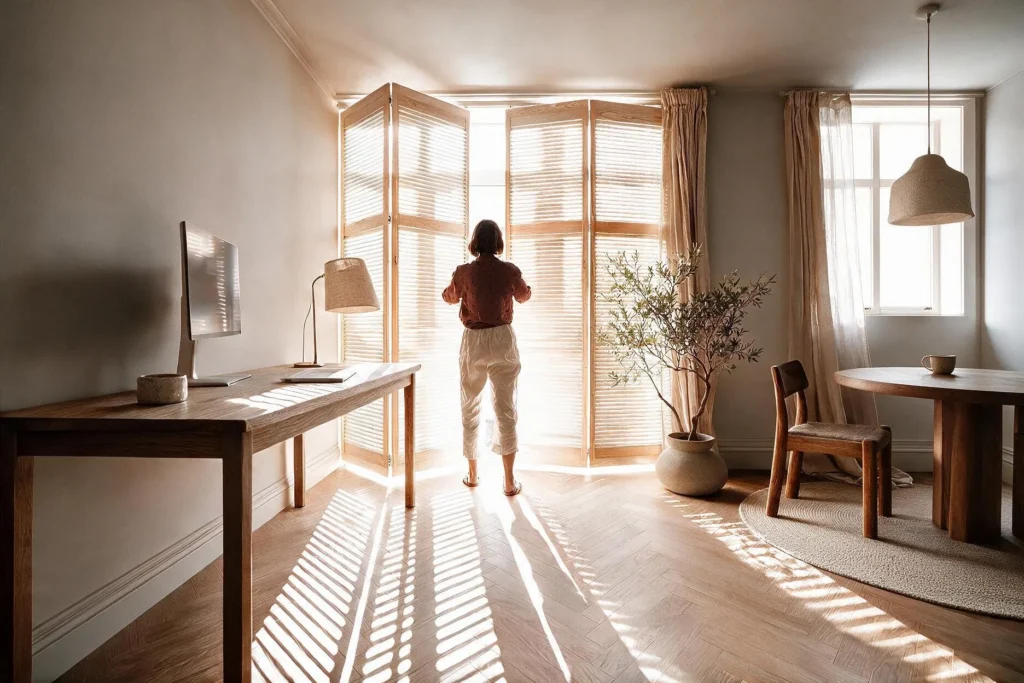
Humans evolved in close connection with the natural world. Bringing elements of nature into the home can help create environments that feel calmer, more restorative and more engaging.
This extends beyond adding plants.
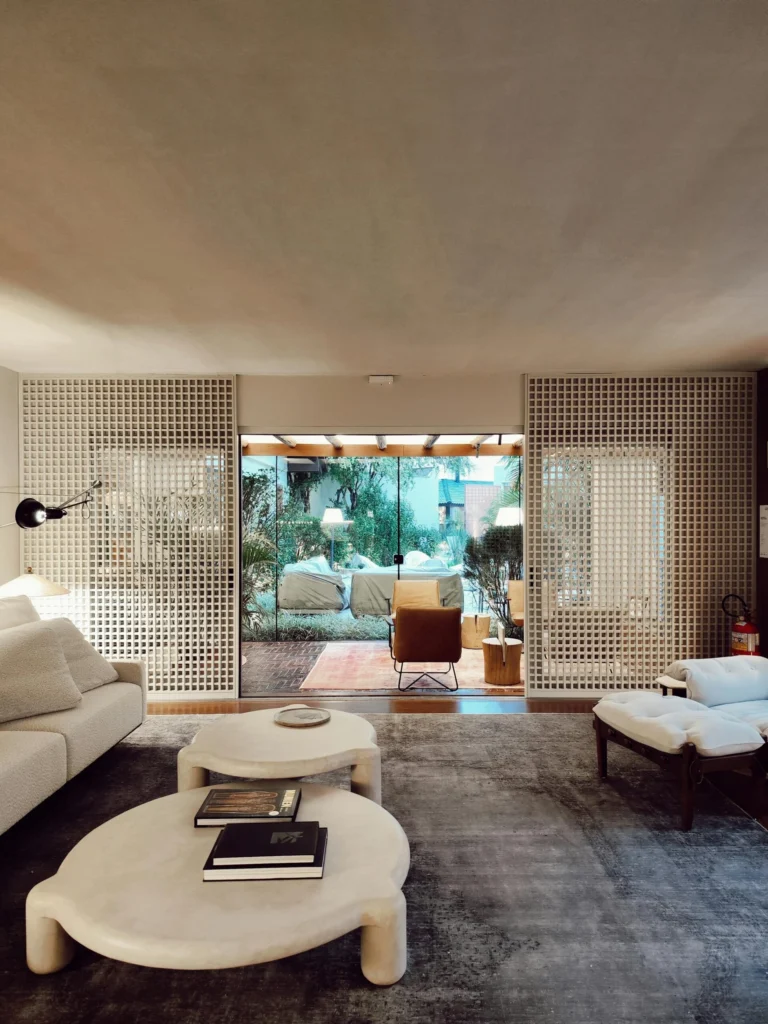
It considers natural daylight, views, materials, textures, organic forms, seasonal change and the subtle environmental qualities that strengthen our connection with nature.
The goal is to create spaces that feel naturally balanced rather than artificially stimulating.
Quiet Luxury
Reducing visual noise through purposeful simplicity.
Explore Foundation →
Quiet Luxury is not a decorating trend.
Within the Lusitage Method it represents an approach to environmental restraint.
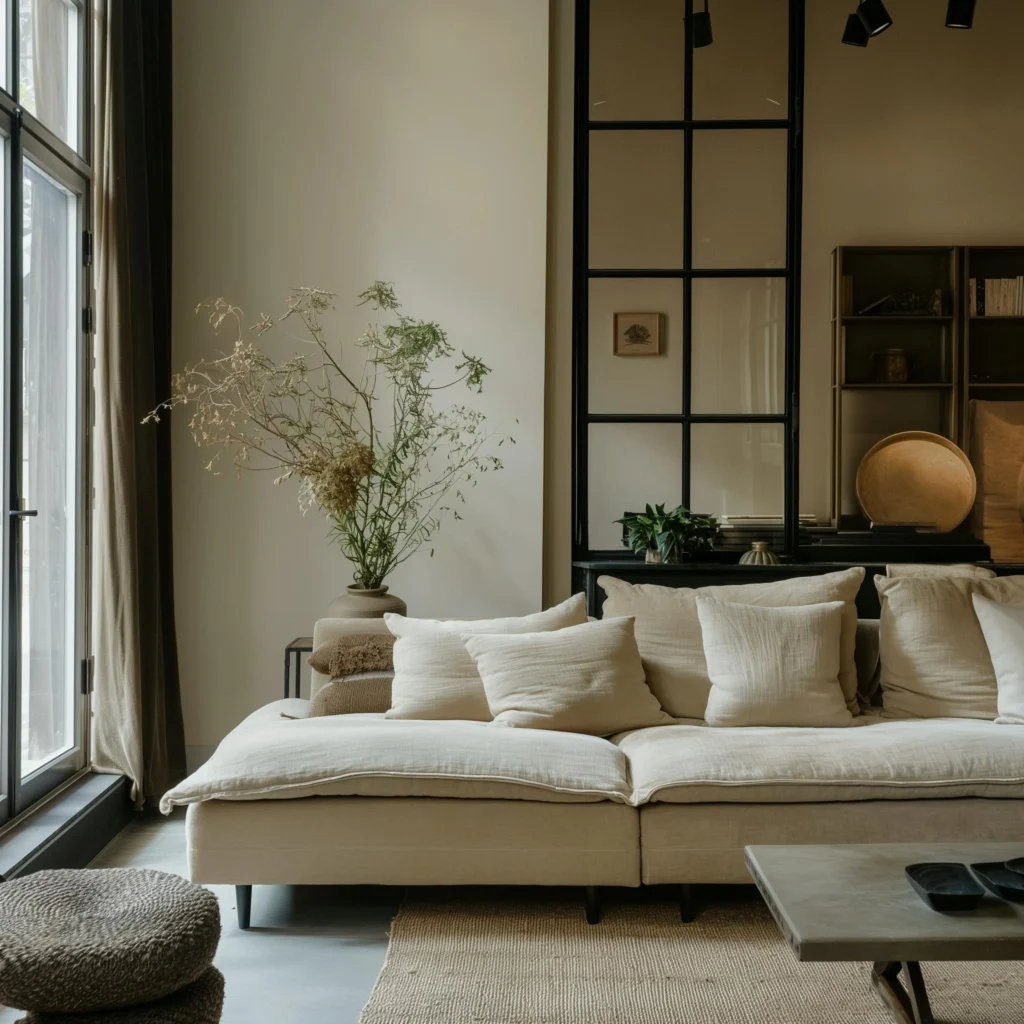
Rather than overwhelming a space with visual complexity, the focus is on clarity, quality, longevity and carefully considered materials that create a sense of calm.
Reducing unnecessary visual noise allows the home to feel more restorative, supporting both mental clarity and everyday comfort.
Performance Living
Explore Foundation →
Evidence-Informed Design
Guided by research rather than trends.
Explore Foundation →
The environmental performance framework
The Lusitage Method evaluates the home through multiple interconnected environmental factors.

Light & Circadian Rhythm
Assessing natural and artificial light to support healthy daily rhythms, sleep and visual comfort.
Sensory Environment
Reducing unnecessary sensory load through balanced colours, visual composition, acoustics and environmental comfort.

Spatial Clarity
Improving layout, circulation and organisation to reduce friction and support intuitive everyday living.

Material & Environmental Wellbeing
Considering natural materials, tactile quality and healthier environmental choices to support comfort and long-term wellbeing.
Nature Integration
Strengthening the connection between indoor spaces and the natural environment through biophilic design principles.
Performance & Recovery
Creating environments that support both restorative recovery and sustained concentration according to the needs of each space.
How the Lusitage Method Works
The methodology is delivered through three connected consultancy services.
Together these stages transform broad environmental principles into an actionable roadmap tailored to your home.
Stage 01
Home Wellbeing Audit
A comprehensive assessment of how your home currently supports wellbeing, identifying environmental strengths, potential stressors and opportunities for improvement.
Foundational stage
Stage 02
Biophilic Performance Strategy
A whole-home environmental strategy that establishes the principles, priorities and long-term direction for improving your living environment.
Requires completion of Stage 01
Stage 03
Room-by-Room Optimisation Plan
A practical implementation framework translating the strategy into clear recommendations for each individual space, including lighting, layout, materials, sensory conditions and nature integration.
Requires completion of Stage 01 + 02
What Makes the Lusitage Method Different?
The Lusitage Method is not interior decoration. It is not styling. It is not trend-led design.
Instead, it is an environmental consultancy methodology focused on understanding how your home influences the way you live.
Every recommendation is considered through the lens of wellbeing, daily performance and long-term quality of life.
The objective is not simply to create beautiful interiors, but environments that support healthier routines, greater comfort and more meaningful everyday experiences.
Frequently Asked Questions
Is this the same as interior design?
Is the Lusitage Method based on scientific research?
The methodology is evidence-informed, drawing on knowledge from environmental psychology, neuroscience, biophilic design, circadian lighting and related disciplines. Recommendations are adapted to each client’s home rather than applying universal formulas.
Do I need to renovate my home?
Not necessarily. Many improvements involve changes to layout, lighting, materials, sensory conditions or the way existing spaces are used. Where larger interventions would provide greater benefit, these are prioritised within the overall strategy.
Can the process be completed remotely?
Yes. Lusitage is designed as a consultancy service and can be delivered remotely using questionnaires, photographs, plans and online consultations.
Can the recommendations be implemented by my architect, interior designer or contractor?
Yes. All reports and strategies are designed to provide a clear implementation framework that can be shared with your architect, interior designer, contractor or other project professionals. The recommendations are intended to integrate alongside the wider design and construction process while ensuring environmental wellbeing remains a central consideration.
Do you work alongside architects, interior designers and contractors?
Yes. Where appropriate, Lusitage can provide ongoing consultancy throughout the implementation phase, collaborating with your chosen professionals to help ensure the environmental wellbeing strategy is interpreted and applied consistently. This advisory role supports the project without replacing the responsibilities of your architect, interior designer or contractor.